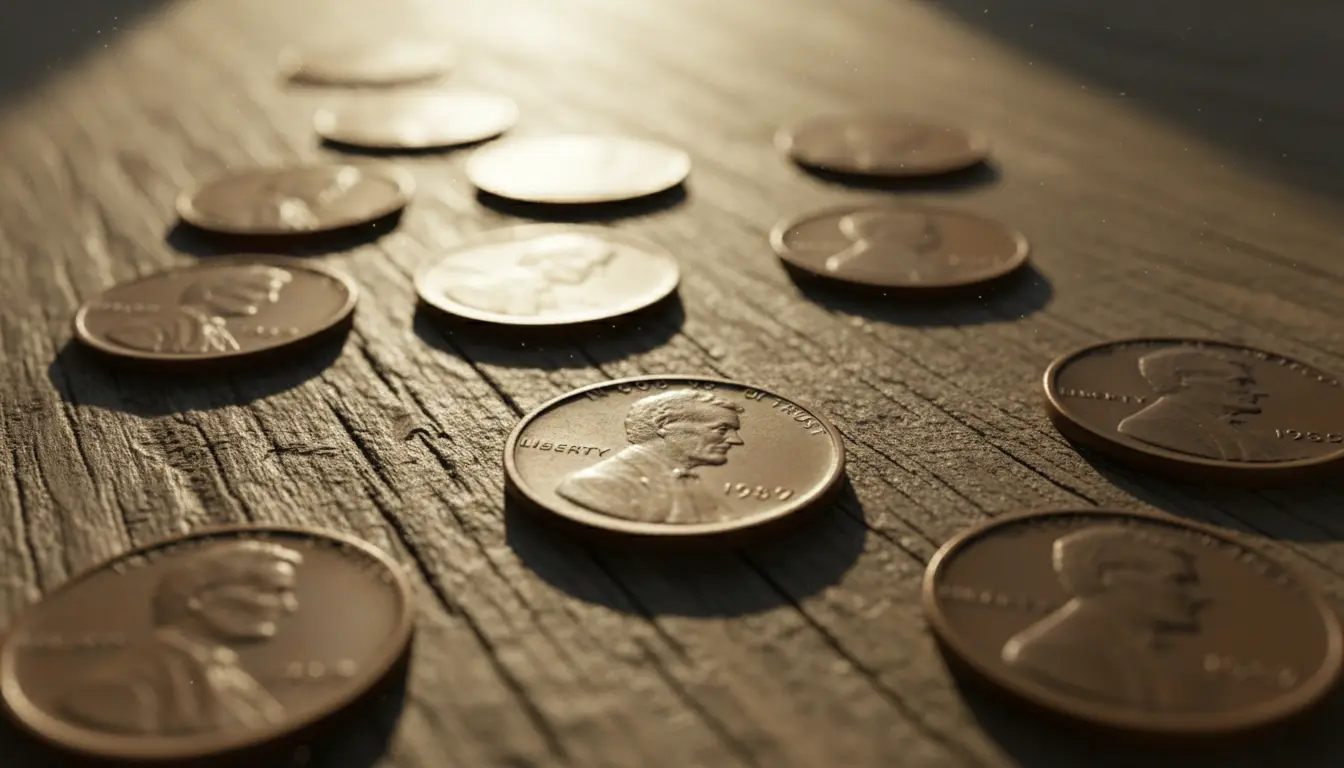
The past decade brought steady interest and notable price shifts for Lincoln pennies. This guide explains how values moved, what factors mattered most, and practical steps to check and sell coins.
The Value of Lincoln Pennies Over the Past 10 Years
From 2016 to 2025 the market for Lincoln cents was shaped by metal prices, collector demand, and a growing online auction presence. Most common circulated cents stayed close to face value, while certain dates, mint marks, and error coins saw real collectible premiums.
Overall trends included periodic spikes linked to copper price changes, increased visibility of error coins on marketplaces, and steady interest in high-grade and key-date examples.
Key market drivers for Lincoln pennies
- Metal composition and melt pressure, especially for pre‑1982 copper cents.
- Condition and grade — uncirculated or certified coins command larger premiums.
- Rarity, mint marks, and known errors (double dies, off‑center strikes, repunched mint marks).
- Collector trends and online auction results that set recent comparable prices.
How to Read Price Movements and Check Current Value of Lincoln Pennies
Use reliable steps to understand what your coin might be worth rather than relying on a single quoted price. Prices change with market conditions and demand.
Follow a repeatable process for each coin to get a realistic value range.
Step-by-step valuation checklist
- Identify date and mint mark (obverse near date; reverse for some modern varieties).
- Check composition: pre‑1982 are mostly copper; post‑1982 are zinc with copper plating.
- Assess condition: circulated, uncirculated, or certified (PCGS/NGC).
- Look for errors or varieties: doubled die, off‑center strikes, repunched mint marks.
- Search recent sold listings on auction sites and consult price guides like PCGS or the Red Book.
Using online tools and price guides
Always compare multiple sources. Auction sold prices give the best real-world indicator. Price guides and dealer lists show typical retail, while auctions show what buyers paid recently.
When using eBay, filter for “Sold listings” and match grade and photos closely to your coin. For certified coins, use the certification number on grading service websites to verify authenticity.
The Lincoln cent was first issued in 1909, making it the longest-running US coin design in continuous production. It was the first circulating US coin to depict a real person.
Factors That Raised or Lowered Values (2016–2025)
Some factors caused temporary price jumps, while others produced long-term shifts. Learn which are likely to matter for your coins.
Composition and melt value
Pre‑1982 cents are mostly copper and their intrinsic metal value rose with copper prices. That made old copper cents more attractive to melt‑value buyers in some years, although US law discourages melting modern coinage.
Error coins and varieties
Errors and notable varieties saw greater interest online. Collectors willing to pay premiums for visually interesting or rare minting mistakes helped push some prices above typical ranges.
Condition and certification
High grade (MS60+) certified Lincoln cents consistently outperformed raw examples. Certification by PCGS or NGC often improves sale confidence and price realization.
Practical Tips for Selling Lincoln Pennies
Plan your sale to maximize return. Different channels suit different coin types and conditions.
Where to sell based on coin type
- Common circulated pennies — local coin shops or bulk online buyers.
- Certified high-grade coins — auction houses or major grading marketplaces.
- Error and variety coins — specialist auction listings or targeted collector forums.
- Small valuable finds — use online auctions with good photos and reserve pricing.
Listing and pricing tips
- Photograph coins clearly under neutral light and include obverse/reverse close-ups.
- List certified coins with grade and certification number visible.
- Set a realistic reserve or start price using recent sold data to avoid undervaluing.
- Be transparent about condition and any cleaning or damage.
Case Study: Using Sold Listings to Confirm Value
A collector found several mixed Lincoln cents in a small inherited bag and wanted to know if any were worth more than face. They followed a simple approach: identify dates and mint marks, separate pre‑1982 copper coins, and search sold listings for matching photos and condition.
By comparing multiple sold listings for similar dates and grades, the collector identified two cents with documented error characteristics that sold at premiums. After professional certification, both coins sold through an online auction for prices notably higher than face value, while the rest were sold to a dealer as a lot.
This practical example shows that methodical identification, comparison, and certification can change a random find into a profitable sale.
Final Practical Advice on Lincoln Penny Values
The value of Lincoln pennies in the past decade depended less on hype and more on standard collectible criteria: rarity, condition, composition, and market evidence. Treat each coin individually and use recent sold data for pricing guidance.
When in doubt, seek a second opinion from a reputable dealer or consider certification for higher‑value candidates. A careful, evidence‑based approach gives the best chance of realizing true value.
For quick action: identify, research sold listings, photograph well, and choose the correct sales channel for your coin type.