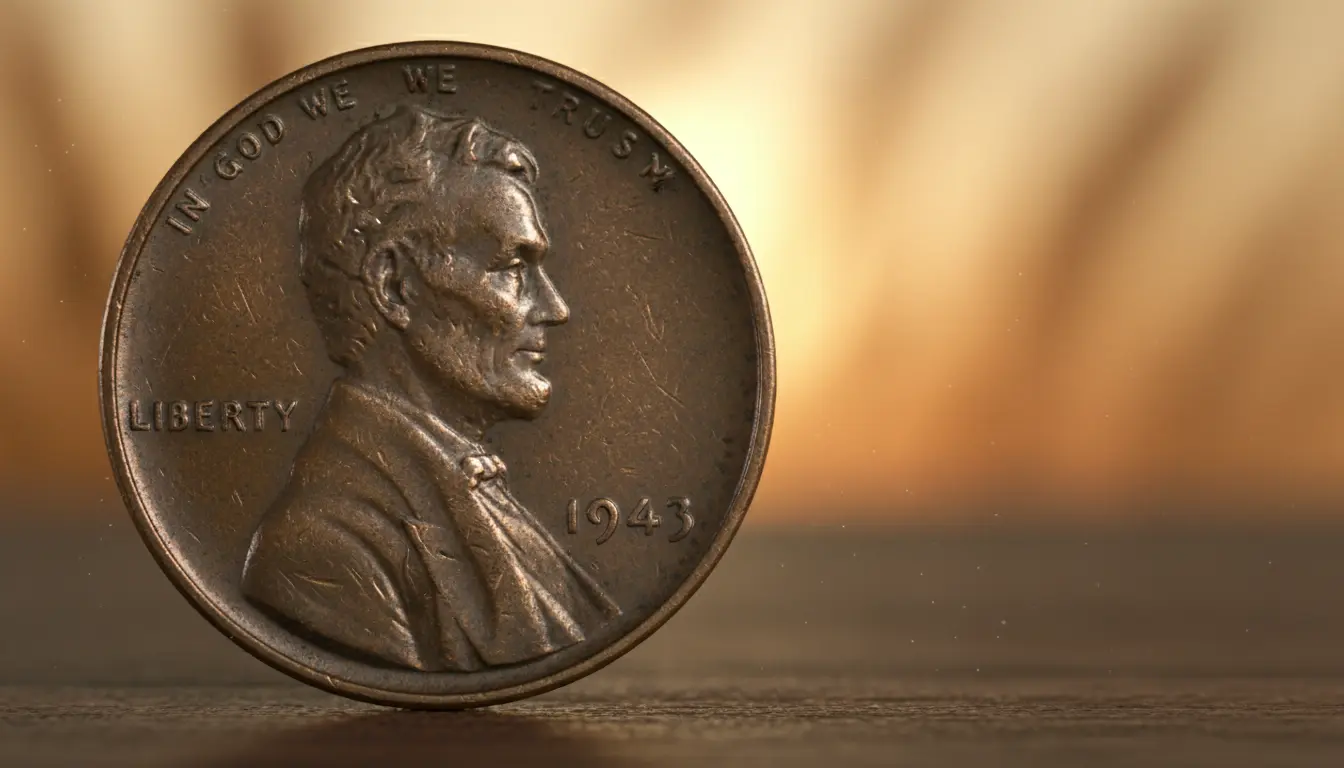
Overview of 1976 Bicentennial Quarter Values
The 1976 Bicentennial quarter was struck in huge numbers, but a few error and specialty varieties attract collector attention and strong prices. This guide explains the four rare types you should know, how to identify them, and what affects their market value.
Why Some 1976 Bicentennial Quarter Varieties Are Valuable
Value depends on rarity, eye appeal, and collector demand. Most circulation strikes are common, but errors and specialty strikes can be scarce.
Key drivers of value include grade, type of error, and whether a coin is a proof or part of the 40% silver proof sets produced for collectors.
How to Identify 1976 Bicentennial Quarter Varieties
Start with a close visual inspection under 5–10x magnification. Look for doubled letters, off-center features, clipped shapes, or unusual surfaces.
Compare with reference photos from trusted grading services like PCGS or NGC before assuming rarity.
Top 4 Rare Varieties Worth Big Money
Below are four types of Bicentennial quarter varieties that often command premiums. Each heading includes identification tips and value notes.
1. Doubled Die Obverse (DDO)
Identification: Look for clear doubling on the date (1776-1976), LIBERTY, and the obverse devices. Doubling is usually strongest on letters and numerals.
Why it’s valuable: True doubled dies are limited and appeal to variety collectors. Values rise sharply at higher grades and with strong, readable doubling.
- Common grades: Values can range from modest premiums in low grades to several hundred dollars for certified high-grade DDO examples.
- Tip: Do not confuse machine doubling or die deterioration with doubled die—use magnification and reference photos.
2. Off-Center Strikes
Identification: An off-center coin shows part of the design missing and may reveal the inner layer of the planchet at the rim. The more off-center, generally the more valuable.
Why it’s valuable: Dramatic off-centers (30%+ missing design) are visually striking and collectable.
- Smaller offsets (under ~10%) usually have little value above face.
- Large offsets graded by a major service can fetch hundreds to low thousands depending on grade and composition.
3. Clipped Planchets and Broadstrikes
Identification: Look for a curved missing section along the rim (clipped planchet) or a coin struck outside the collar producing expanded rims (broadstrike).
Why it’s valuable: These minting errors are easy to spot and attract error-coin collectors. Size and shape of the clip or degree of broadstrike affect value.
- Sharp, large clips and full broadstrikes with attractive surfaces have higher value.
- Smaller clips can be common and have minimal premium.
4. 40% Silver Proofs and High-Grade Proof Varieties
Identification: Silver Bicentennial quarters were struck for special 40% silver proof sets. They bear the 1776-1976 reverse and have a different luster and weight compared to clad issues.
Why it’s valuable: Silver content plus collector demand for high-grade proofs or special finishes (deep cameo, prooflike) increases value.
- Silver proof quarters certified PR65–PR70 can be worth noticeably more than clad proofs.
- Look for original government packaging or certification to confirm silver content.
The 1976 quarter features dual dates 1776-1976. No U.S. quarters were dated 1975—the Mint used the bicentennial date across the three denominations in 1975–76.
Factors That Affect Value
Several practical factors determine what a buyer will pay:
- Certification: Coins graded by PCGS, NGC, or ANACS usually command higher prices.
- Grade and eye appeal: Luster, marks, and strike quality matter, especially for proofs.
- Documentation: Original packaging, provenance, or auction records help establish value.
- Market demand: Error coins often fluctuate with collector trends.
How to Buy, Sell, and Protect 1976 Bicentennial Quarter Varieties
For sellers, get high-value error coins or silver proofs graded before listing. For buyers, request clear photos, certification numbers, and return policies.
Protect coins in archival flips or hard holders and avoid cleaning—they can destroy value.
Real-World Case Study
A collector found a dramatic off-center Bicentennial quarter in a pocket change lot. After submitting the coin to a recognized grading service, it received an error designation and was sold through an online auction. The sale brought a multiple of the coin’s face value and proved the value of proper grading and documentation.
Quick Tips for Collectors
- Use a loupe (5–10x) to check doubling, clipping, and off-center strikes.
- Compare suspected varieties to certified examples on grading service websites.
- Consider grading if the coin is a clear, marketable variety or has potential high value.
- Keep realistic price expectations—common circulated examples remain low value.
By learning the visual signs and the market drivers, you can spot the 1976 Bicentennial quarter varieties that are worth investigating. Always verify with grading services and current auction records before buying or selling.